Quick summary
This article explains how to use AI as a practical co-pilot in your solo business. You will learn how to:
- Write clear, context-rich prompts so AI understands your business and your audience.
- Delegate tasks across strategy, marketing, content, finances, and operations.
- Use example prompts you can adapt for your own business situations.
Part 1: The art of the prompt – your AI’s instruction manual
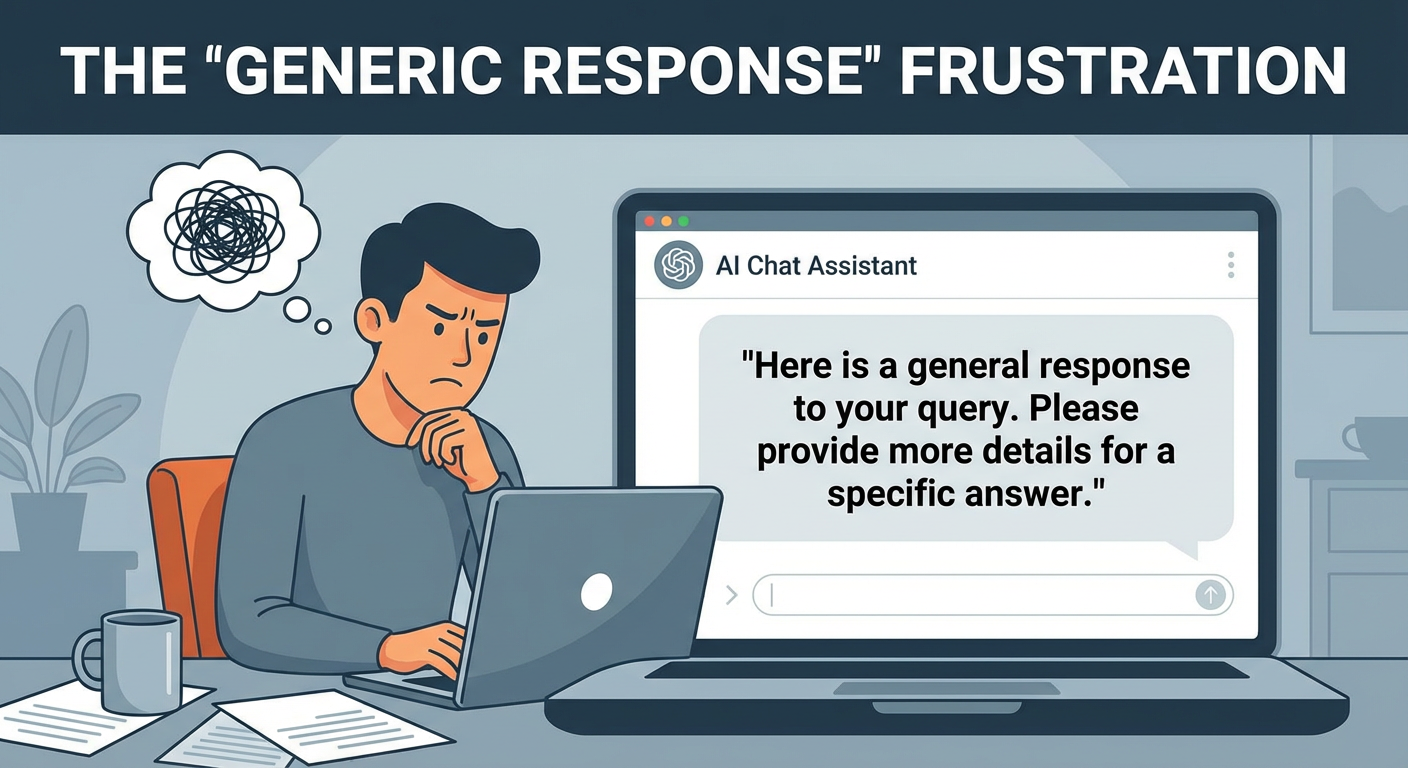
The quality of your AI’s output reflects the quality of your input. Vague questions get vague answers. To get useful, business-ready results, you need to become a good manager of your AI co-pilot.
Three principles matter most:
- Clarity and specificity: Avoid prompts like "Write about my business." Instead, say something like: "Write a 150-word introductory paragraph for my website’s About page. My business is a solo-run artisanal bakery in Austin, Texas, specializing in sourdough. The tone should be warm and inviting."
- Provide ample context: Tell AI about your target audience, your goals, your brand voice, and any constraints. The more it knows, the more tailored and relevant its output becomes.
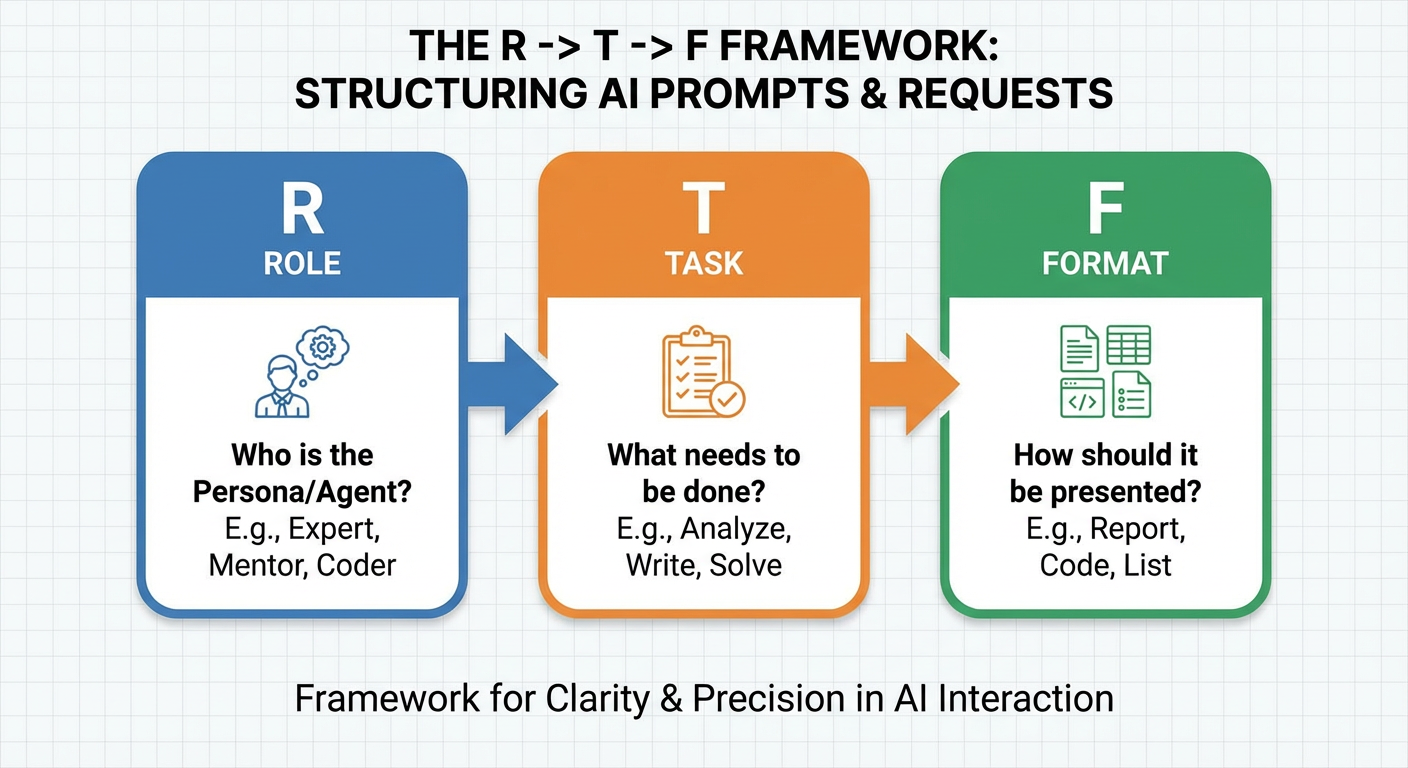
- Define a role: Start by assigning a role: "You are a savvy marketing consultant," or "Act as a financial advisor for solopreneurs." This sets the perspective and level of expertise for the response.
The Complete Solopreneur Guide to AI introduces frameworks to make this easier – including RTF (Role, Task, Format) and COAST (Context, Objective, Actions, Scene, Tone). These give you a repeatable structure for strong prompts.
Part 2: Actionable AI for every facet of your business
Once you understand how to talk to your AI, you can start delegating real work. The guide breaks the solopreneur journey into phases, each with practical prompt patterns.
Phase 1: Business ideation and strategy
Before you launch or pivot, AI can act like a thinking partner or co-founder.
- Brainstorming: "Given my skills in graphic design, list 10 unique business ideas focused on small e-commerce businesses. For each, include a one-line promise and a potential first paid offer."
- Assessing viability: "Act as a Strategic Market Feasibility Analyst. I am considering launching [product/service idea]. Conduct a short feasibility study with market size, key risks, and a simple SWOT outline."
- Defining a niche: "Help me identify hidden buyer pockets in the [real estate] niche – groups with strong purchasing intent that are currently underserved."
Phase 2: Marketing, sales, and SEO
Here AI becomes your marketing engine, helping you attract and convert customers.
- Social media planning: "Build a 30-day social media content calendar for my [business type] on [platform]. Include post ideas, a sample caption, and a suggested call-to-action for each week."
- Lead generation and landing pages: "You are a conversion copywriter. Write a landing page for my offer: [describe offer]. Use a structure with a strong headline, an emotional hook, and value-packed bullet points."
- SEO research: "Act as an SEO specialist. Provide 20 long-tail keywords a [target audience member] would use to find solutions to [problem my business solves]."
Phases 3 and 4: Content and financials
From publishing content to planning your money, AI can support the heavy lifting while you stay in control of decisions.
- Content creation: "Create a detailed outline for a blog post titled '[Your chosen title],' including an introduction, H2/H3 headings, and key bullet points for each section."
- Financial planning: "I want to create a monthly budget for my solopreneur business. My estimated income is [amount] and my expenses include [list]. Suggest a simple budget with percentage allocations and short notes on each category."
Phases 5 and 6: Productivity and customer service
AI can help you prioritize tasks and communicate with customers more consistently.
- Task management: "I need to prioritize my to-do list. Categorize these tasks into the four quadrants of the Eisenhower Matrix (Urgent & Important, etc.): [paste tasks]."
- Customer communication: "A customer is upset because [describe issue]. Draft an empathetic response that acknowledges their frustration, apologizes, and explains the next steps to fix it. Make it personal and specific."
AI is not here to replace your expertise. It is here to amplify it – turning your ideas and decisions into clearer strategies, content, and systems.
Your business, supercharged
For solopreneurs, time and mental energy are the most limited resources. Treating AI as a strategic partner helps you protect both. Instead of doing everything from scratch, you can:
- Start from structured drafts instead of blank pages.
- Stress-test ideas before you commit.
- Standardize repeated tasks with prompts and templates.
You still make the final calls. AI does not know your values, your story, or your risk tolerance. But it can help you think more clearly and execute faster.
Get the full playbook: The Complete Solopreneur Guide to AI
This article only scratches the surface of what is possible. The Complete Solopreneur Guide to AI goes deeper with full prompt libraries, detailed frameworks, and practical workflows for every phase of your solo business.
It is designed as an educational resource – a way to turn AI into your most reliable, multi-talented team member.